Vehicle Remapping in Liverpool
If you are looking for vehicle remapping in Liverpool, ProRemaps can help you take the next step towards finding a suitable remapping technician for your vehicle and requirements. Whether you want to explore improved engine performance, more responsive acceleration, fuel economy tuning or gearbox calibration, the right starting point is understanding what you want to achieve and whether your vehicle is suitable for the work.
ProRemaps provides an enquiry service designed to help connect drivers with an appropriate independent technician. Rather than browsing a long list of businesses and trying to decide which one to contact, you can submit your vehicle details and explain the type of remapping you are interested in. The information helps us understand your request and identify a potentially suitable introduction.
Liverpool drivers use their vehicles for a wide range of journeys. Some rely on a car for commuting across the city, while others regularly travel around Merseyside, Cheshire and the wider North West. Van drivers and business owners may have different priorities from motorists who want a more engaging driving experience. By explaining how you use your vehicle, you can help ensure that any discussion about remapping begins with your needs rather than a generic package.
Find a Vehicle Remapping Technician in Liverpool
Choosing a remapping service involves more than searching for a nearby provider. Your vehicle’s engine, transmission, mileage, maintenance history and current condition can all influence which options are appropriate. The type of software calibration you need will also depend on whether your priority is performance, economy or the behaviour of an automatic gearbox.
ProRemaps helps simplify the initial search. Complete the enquiry form on this page with accurate contact information, your vehicle’s make and model, and a brief description of what you want to achieve. You can include your registration and location details where requested, along with any relevant information about the vehicle’s current setup.
Your enquiry gives us a clearer picture of your requirements. We can then consider whether a suitable independent technician may be available to discuss your needs. Availability and suitability depend on the vehicle, the requested work and the coverage offered by the technician. Submitting an enquiry does not guarantee an appointment or a particular result, but it provides a practical starting point for the conversation.
A straightforward way to start
The process is intended to be simple:
- Tell us about your vehicle. Provide the make, model and other requested details so that the enquiry relates to the correct vehicle.
- Explain your requirements. Let us know whether you are interested in performance remapping, economy-focused tuning, gearbox tuning or another relevant service.
- Submit your contact details. Include an email address and telephone number so that you can be contacted about your request.
- Allow the enquiry to be reviewed. ProRemaps can consider the information and work towards introducing you to a potentially suitable independent technician.
- Discuss the options before proceeding. Ask the technician about compatibility, the proposed calibration, costs, testing, risks and any implications for your vehicle.
This approach helps you move from an initial search to a more informed discussion about your particular vehicle.
What Is Vehicle Remapping?
Modern vehicles use electronic control units to manage engine operation and, in many cases, transmission behaviour. The engine control unit (ECU) processes information from sensors and uses programmed calibration data to control functions such as fuel delivery, ignition timing, boost pressure and torque requests, depending on the vehicle and engine design.
ECU remapping involves modifying the relevant software calibration. The purpose may be to change how the engine responds, make better use of available performance, or alter the balance between performance and fuel consumption. The scope of what can be achieved depends on the vehicle’s original calibration, mechanical specification, condition and the expertise of the person carrying out the work.
A remap is not a universal upgrade that produces the same result on every car. Different engines and transmissions have different limits, and a calibration suitable for one vehicle may not be appropriate for another. A responsible assessment should consider the manufacturer’s design, the vehicle’s condition and the intended use before recommending changes.
For drivers in Liverpool, the useful question is not simply whether a remap is available. It is whether a particular calibration makes sense for the vehicle, the way it is driven and the owner’s priorities.
Performance Remapping in Liverpool
Performance remapping is generally considered by drivers who want their vehicle to feel more responsive or make better use of its available engine performance. Depending on the vehicle and the calibration, changes may affect power output, torque delivery, throttle response and the way acceleration builds through the rev range.
For some motorists, the objective is stronger mid-range response when joining faster roads or overtaking where it is safe and legal. Others may want a more engaging driving experience from a vehicle they already enjoy. The appropriate outcome varies between vehicles, so advertised power figures should not be treated as guaranteed results.
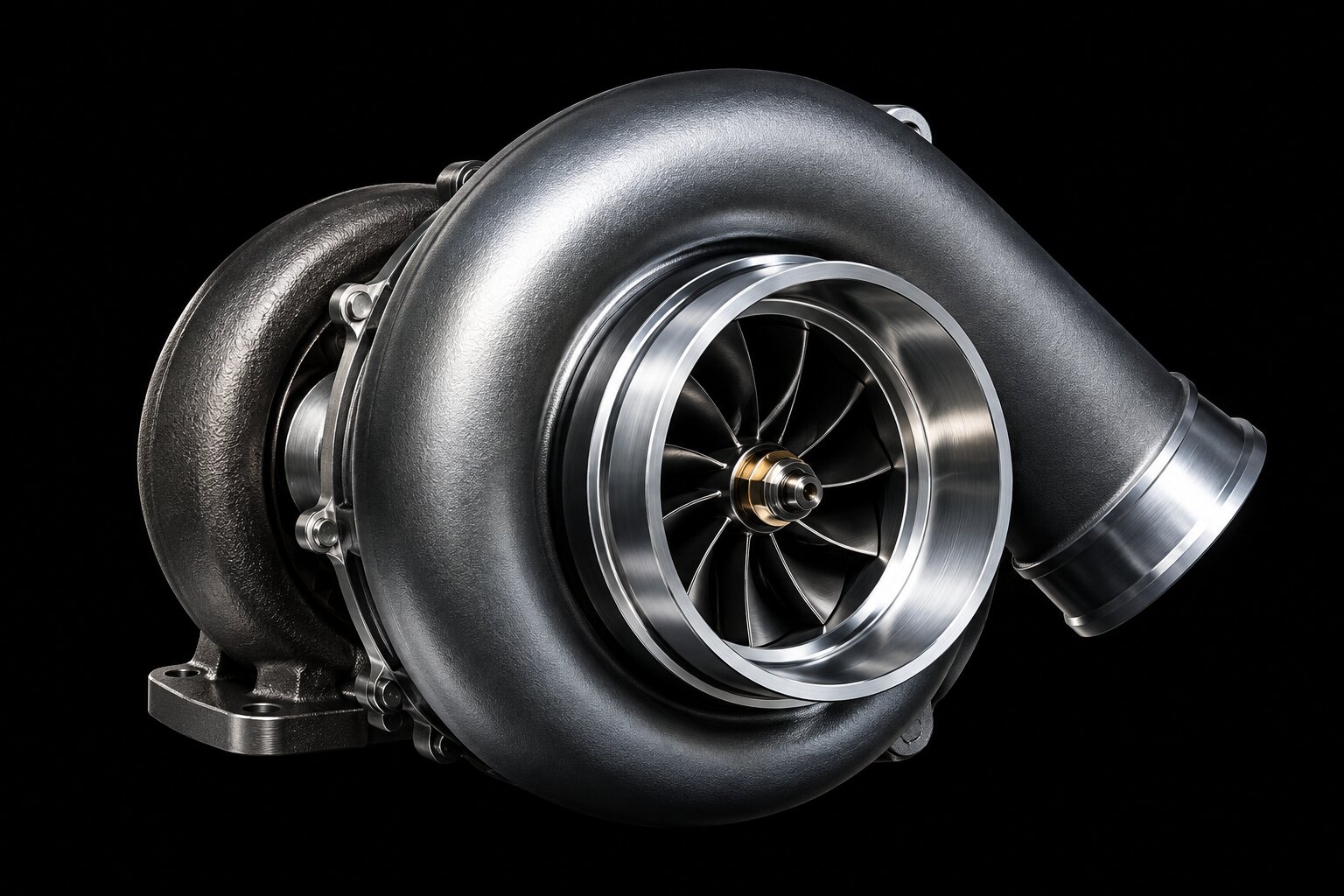
Before requesting performance tuning, consider the condition of the engine, turbocharger if fitted, cooling system, clutch, gearbox and other relevant components. Existing faults or worn parts should be investigated rather than treated as problems a remap will resolve. Increasing the demands placed on a vehicle can expose weaknesses that were already present.
It is also worth discussing the intended calibration in detail. Ask what changes are proposed, whether the work is appropriate for standard hardware, how the vehicle will be assessed and what checks will be carried out. If hardware modifications have already been made, provide accurate information about them before a technician recommends a solution.
A suitable performance remap should be considered as part of the vehicle’s overall condition and intended use, not as an isolated software change.
Economy Remapping and Everyday Driving
Economy-focused remapping is intended for drivers who want to explore whether revised engine calibration can support more efficient driving. It may be of interest to commuters, higher-mileage motorists and people who depend on their vehicles for work.
However, improved fuel economy is not guaranteed. Actual consumption depends on many factors, including driving style, journey length, traffic, load, tyre pressures, vehicle maintenance and road conditions. A calibration that changes engine response may not reduce fuel use if the driver regularly accelerates harder or uses the additional performance.
Liverpool journeys can involve a mixture of urban traffic, short trips, stop-start driving and longer routes out of the city. Those different conditions affect fuel consumption independently of the engine software. Before choosing an economy remap, consider your usual mileage and the type of journeys you make.
A useful discussion with a technician should cover the intended balance between efficiency and performance. Explain whether the vehicle is mainly used for local journeys, longer motorway trips, business travel or carrying loads. The technician can then assess whether an economy-focused calibration is suitable for the vehicle.
It is sensible to compare the potential benefits with the cost of the work and to avoid relying on broad fuel-saving percentages that may not reflect your driving conditions.
Gearbox Tuning and Transmission Calibration
Engine remapping is not the only type of software tuning available. Some vehicles also support transmission or gearbox tuning, commonly involving a transmission control unit (TCU) or related control software.
Depending on the gearbox and the available calibration, transmission tuning may alter aspects of shift behaviour, shift timing, torque management or the way the transmission responds to driver input. The precise options vary by vehicle, gearbox type and software version.
Gearbox tuning may interest drivers who want to explore a different shift response or coordinate transmission behaviour with an engine calibration. However, it is not suitable for every vehicle, and it should not be assumed to correct mechanical faults. Slipping, harsh engagement, warning lights, overheating or other transmission symptoms should be diagnosed before software changes are considered.
If you are interested in gearbox tuning in Liverpool, include the vehicle’s make and model and identify the transmission type if you know it. Mention any existing engine modifications or gearbox symptoms. Accurate information makes it easier to assess whether the requested service is relevant.
Which Vehicles Can Be Remapped?
Remapping availability varies across manufacturers, models, engines, model years and control-unit versions. Some vehicles offer a wider range of calibration options than others. Access methods and technical requirements can also differ, particularly on newer vehicles or those with software security measures.
A vehicle’s age alone does not establish whether remapping is appropriate. Its engine and transmission specification, maintenance history, present condition and any previous modifications are all relevant. A technician may need further information or an initial assessment before confirming compatibility.
ProRemaps can use the details in your enquiry to help establish the type of vehicle you have and the service you are seeking. Include the exact model and, where possible, the engine size, fuel type, model year and transmission. If you are unsure of a technical detail, provide the information you do know rather than guessing.
Commercial vehicles may have different requirements from privately owned cars. If you use a van or another vehicle for business, explain how it is loaded and driven, how frequently it is used and whether it operates under particular fleet, lease or warranty conditions. These factors may influence the suitability of any proposed calibration.
The final decision should follow a vehicle-specific assessment rather than a general claim that all vehicles can achieve the same improvements.
Vehicle Remapping Across Liverpool and Merseyside
Liverpool includes a variety of residential, commercial and industrial areas, and drivers travel throughout the wider Merseyside region for work, family commitments and leisure. Depending on where you are based, you may be looking for a technician close to home, near your workplace or within a practical distance of your regular routes.
If you live or work outside central Liverpool, include your town or postcode in the enquiry where requested. This helps clarify the location associated with your request. Do not assume that every technician covers every area or offers a mobile service; travel arrangements should be confirmed directly before an appointment is made.
Drivers based in Merseyside may also have different practical considerations depending on where the vehicle is kept, whether there is suitable access for work and whether the service requires the vehicle to be taken to a workshop. State any relevant constraints in your enquiry so they can be discussed early.
The aim is to help you find a suitable route towards a technician, not to suggest that a particular service or appointment is guaranteed in every postcode.
Remapping for Commuters, Families and Business Vehicles
The right questions about remapping depend on how a vehicle is used. A privately owned car that mainly covers short urban journeys may have different priorities from a vehicle that regularly travels longer distances or carries equipment.
Cars used for commuting
Commuters may be interested in a smoother response, stronger mid-range performance or an economy-focused calibration. It is important to consider the condition of the vehicle and the types of journeys undertaken. A remap should not be expected to remove the effects of congestion, short trips or poor maintenance.
Family vehicles
For family cars, reliability, predictable behaviour and suitability for everyday use may be more important than pursuing the largest possible performance increase. Discuss the vehicle’s service history, existing warranty and intended use before agreeing to any changes.
Vans and commercial vehicles
Business users may be interested in how a vehicle responds when carrying equipment or travelling regularly between jobs. Load, mileage, operating conditions and downtime can all matter. Fleet managers and business owners should also check any lease, finance, warranty, insurance or fleet policies that apply before authorising modifications.
In each case, the purpose of the initial enquiry is to explain the real-world requirement. A technician can then discuss whether a remap is appropriate and what alternatives, if any, should be considered.
What to Check Before Having Your Vehicle Remapped
A remap changes how a vehicle operates, so it is worth taking time to understand the implications before proceeding.
Vehicle condition and diagnostics
A vehicle should be in suitable mechanical condition before tuning is considered. Warning lights, stored fault codes, boost leaks, cooling problems, poor running, unusual noises or transmission issues may require investigation first. Software tuning is not a substitute for repairing a fault.
Ask whether the technician recommends diagnostic checks before carrying out the work and how any existing issues will be handled. Be open about previous repairs and modifications.
Warranty and finance agreements
An ECU or TCU modification may affect a manufacturer’s warranty or the terms of a finance, lease or service agreement. The outcome depends on the relevant terms and the nature of the work. Check the applicable documentation and ask the provider or agreement holder for clarification before proceeding.
Insurance
Tell your motor insurer about modifications when required by your policy. Insurers can treat modifications differently, and failing to disclose a relevant change may affect cover or a future claim. Contact your insurer before arranging the work and keep a record of its response. The Financial Ombudsman Service highlights the potential consequences of failing to declare vehicle modifications, including ECU remapping.
Emissions and road legality
A vehicle used on public roads must continue to meet the applicable legal requirements. Modifications that disable or remove emissions-control equipment can create legal and MOT compliance problems. Do not assume that a software change is lawful simply because it can be carried out technically. Discuss the proposed work with the technician and consult current official guidance if you are unsure.
Testing and documentation
Ask what checks will be completed before and after the calibration, how the result will be assessed and whether the original software can be restored if appropriate. Keep any documentation supplied by the technician, including details of the work performed and relevant test results.
Why Start Your Search with ProRemaps?
Finding a suitable remapping technician can involve comparing technical compatibility, service options, location and the way a provider handles your vehicle. ProRemaps is designed to make the initial enquiry more straightforward by collecting the key information and helping connect you with a potentially suitable independent technician.
You do not need to know every technical detail before submitting an enquiry. Start with your vehicle’s make and model, your location and the outcome you would like to explore. If you have a particular question about performance, economy or gearbox behaviour, include it so it can be considered as part of the request.
ProRemaps does not guarantee that a technician will be available for every vehicle or location, and an introduction is not a guarantee of specific performance gains. The technician should confirm compatibility, availability, costs and the scope of the proposed work before you decide whether to proceed.
This gives you a clearer starting point while leaving room for a vehicle-specific conversation and an informed decision.